

When we think of wearable technology, we often think of common devices such as watches. However, the scope of wearable technology is far more than this.
In the past, people used technology to protect their bodies, enhance their perception abilities, and make up for their shortcomings. Today, a series of new wearable devices are constantly expanding the fields of human functionality improvement and health improvement. Recent wearable technology mainly involves health monitoring and information acquisition issues; in the future, these technologies may surpass medical monitoring and focus on enhancing human functionality.
Let’s briefly review the early development process of wearable devices.
Wearables of the past
In the 1660s, the historic abacus ring appeared in the Qing Dynasty in China.To 1924, the German scientist Jurgen Bayer invented the world's first headset.To 1972, Keith Taft invented a wearable computer specifically designed to calculate the gains of blackjack "George".By 2000, the first Bluetooth headset appeared.By 2004 Lindero Bluetooth headset was born in Cambridge, UK, which is "safe driving, call assistant" as the concept for the global drivers to provide high quality Bluetooth product solutions.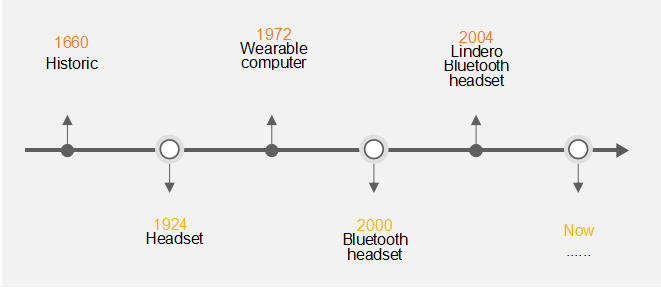
Figure 1
And now the application potential of wearable devices is unlimited, and modern technology has further innovated on this basis to further improve the technical level of wearable devices.
Let us see it together as below:
Wearables today
As technology continues to evolve, wearables will have a significant impact on the way we interact with machines. For example, smartwatches can be paired with smartphones, allowing users to perform certain operations without having to take out their mobile phones. In addition, wearable devices can monitor users' health and provide them with more comprehensive health management services.
These watches not only provide easy-to-read and customisable functions such as time and date, but also have audio and video displays, providing users with more entertainment and information options. In addition, these watches have IT and communication features that allow users to receive information and notifications, making their lives easier.
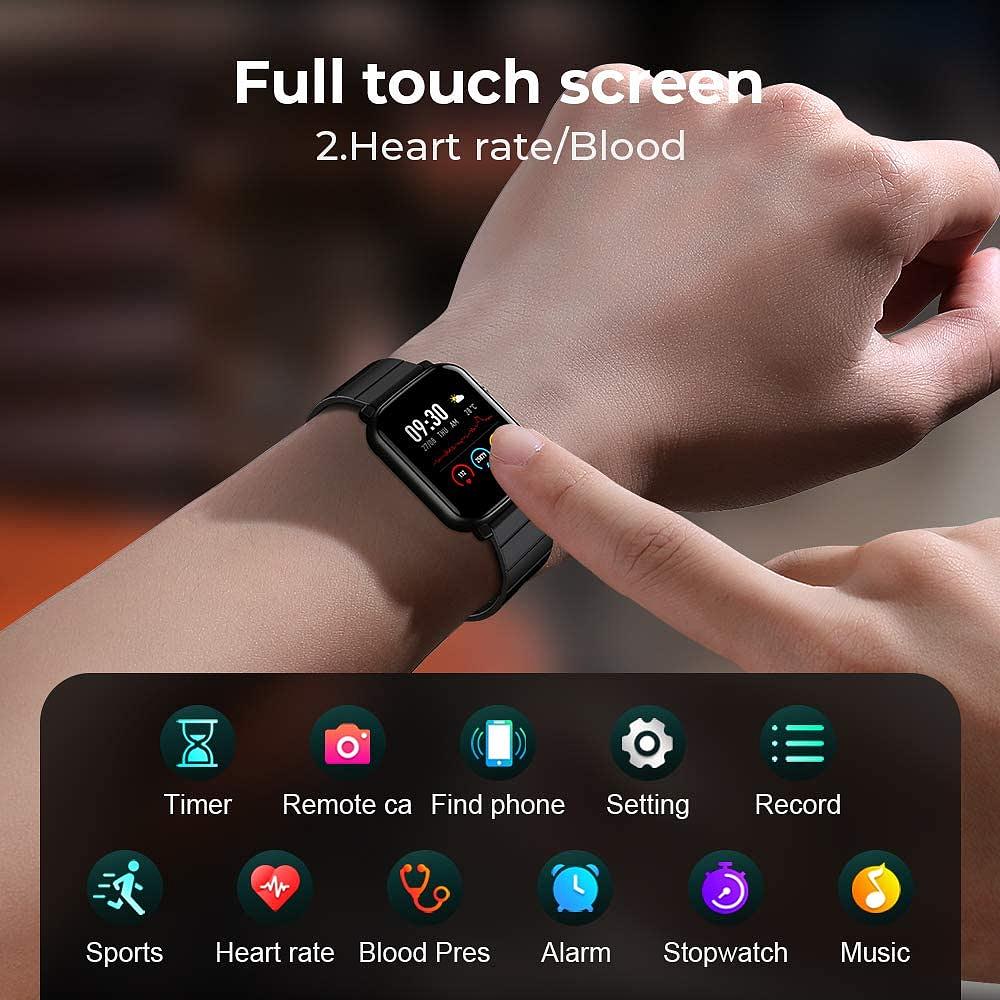
Figure 2
Electronic watches have become an integral part of people's lives and these devices are used in a wide range of applications in the fields of healthcare, fitness, information technology and communication. Whether they are sports enthusiasts or professionals, these watches help them manage their time and tasks better.
However, for most people, health remains the most important driving factor. These watches help them keep track of their exercise and eating habits, helping them maintain a healthy lifestyle. Additionally, these watches can remind users to have regular medical check-ups so that they can better understand their health status and take the necessary steps.
Medical and Fitness Monitoring
The continuous advancement of accelerometer technology has provided important support for the development of medical and fitness monitoring devices. In addition to being used in pedometers to record steps, accelerometers are widely applied to wearable devices such as watches, wristbands, pendants, rings, etc.
Although rings lack the rich functionality of watches and wristbands, they can monitor important indicators such as blood circulation, heart rate, heart rate variability, sleep duration and quality, blood oxygen level, and pressure through wireless communication (see Figure 3).
Moreover, by integrating accelerometers, these rings can also serve as pedometers.
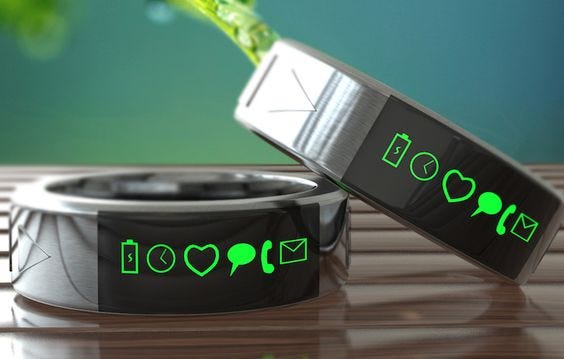
Figure 3(While watches and wristbands are the most common form of wearable technology, rings are becoming increasingly popular too, especially with displays making it easier to access information.)
While a pedometer can indicate movement, it cannot accurately measure exercise intensity and calorie consumption. Modern GPS technology can overcome the accuracy issues of pedometers, but is still not reliable enough to detect altitude.
Smart watches and fitness wristbands are widely used. Fitness wristbands mainly calculate steps, track calorie consumption, measure sleep patterns, heart rate, blood pressure, and skin resistance. These devices also benefit sleep monitoring, especially for patients with sleep apnea. Babies and young children can also wear wristband devices to detect breathing cessation and prevent SIDS.
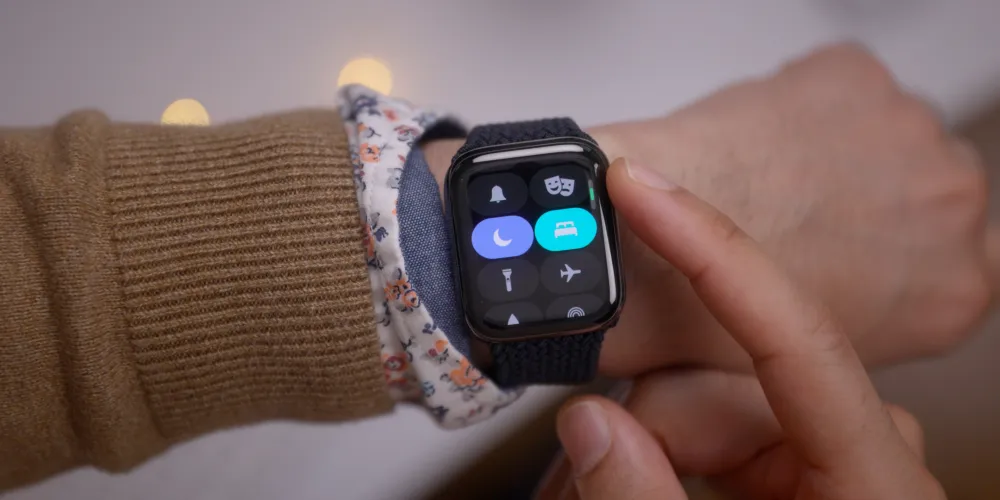
An accelerometer-based fitness tracker can measure falls time and whether falls occurred. This is particularly important for older adults and the aging population, reminder emergency contacts. Wireless communication can inform their emergency contacts when people fall.
Patients with Alzheimer’s disease or other forms of dementia can also be cared for with wearable devices. Recording activities inside buildings such as assisted living facilities reminds staff to pay attention to patients with mental illness. In particular, this feature is particularly important when mental patients enter the stairwell, because stairwells do not have many people passing through them like other corridors or hallways.
More complex medical devices such as patches can be used to control drug release. Active electronic devices embedded in patches monitor physiological conditions through the skin and control the release of painkillers and other drugs.
Wearable electrical stimulation technology has been used for years. " Peel and stick" one-time use electrodes adhere to muscles and painful areas, relieving symptoms with mild cyclical surface electricity.
In the future, implantable sensors will become a more accurate way to administer drugs. Implantable technology combined with smart patches, wearable watches, rings, pendants, and wristbands can deliver drugs more accurately as needed. The active patch communicates with an active patch, which releases precise amounts of drugs on command. More importantly, replacing the patch is much easier than re-installing an insulin pump.
SubcutaneousImplantable Wearable Technology
Implantable medical devices have been existing in the healthcare industry for decades. In 1958, the first pacemaker was implanted, and since then, implantable technology has been steadily improving, including heart defibrillators. Like wearable sensors, the popularity of implantable sensors is also steadily rising. Modern implantable sensors can monitor blood glucose levels, tissue and bone regeneration, high blood pressure, arrhythmias, nerve stimulation, and even release insulin, intrauterine contraceptives, and other drugs as needed.
Injectable medical implantable devices have also become possible. Injectable sensors can communicate wirelessly outside the body. A technology called quantum dots can even store personal medical information. One huge market for these injectable sensors is monitoring prosthetic devices to improve functional myoelectric control. As knee joints, hips, and other replacement joints become more prevalent, motor neural prostheses are expected to gradually grow. Feedback sensors detect joint angles, skin contact pressure, and tissue strain. Multipoint topology is becoming the mainstream technology in this field, replacing wired star topology. This book delves into the field of biomimetics, which can enhance human normal strength and instinctive reactions.
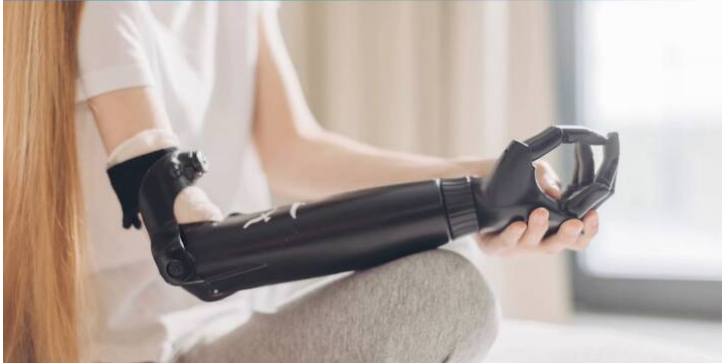
Figure 5 ( Monitoring of prosthetic devices )
Implanted hormone and brain chemistry sensors have emerged to help people with mental illnesses continue taking their medication. Automated dosing can reduce the number of people who are psychotic.
Implants are used for non-medical applications, such as subcutaneous RFID technology. RFID technology can operate using radio frequency energy provided by an external reader, enabling non-volatile storage of medical alert information, and even be used for unlocking cars and homes.
Brain Implants Overcome Deficiencies
Electronic devices implanted in the brain, directly connected to the brain and other neurons, have multiple applications. These implants are used to treat neurological disorders such as Parkinson’s disease, and can also stimulate the vagus nerve to help control digestion and heart rate.
Medical implants have helped many people with hearing or vision impairments, including those with color blindness. Some successful examples of implantable IC technology enable these individuals to see and distinguish colors. These implants can also expand the range of human senses, such as extending vision to the infrared and ultraviolet spectra. Hearing implants can also expand the hearing range and apply specific filters that allow the implantee to hear sounds that ordinary people cannot. Speech-reading devices can do this as well.
Recently, more complex implants have demonstrated the ability to use computers and decode synthetic text through brain waves. These technologies can change lives, as they can control motorized prostheses and joints using thought patterns, allowing amputees to live more traditional, self-sufficient lives without the need for others’ help.
With the emergence of implantable AI processors, these technologies have been further developed. This processor can learn complex brain wave patterns and communicate with prostheses and biomimetic limbs through imagination of shapes and colors. For example, imagination of a yellow triangle can command a prosthesis to move.
Summarize
In less than 60 years, human medical monitoring and management techniques have evolved from major surgery placement to wearable devices implanted and injected. These innovations not only extend life but also improve quality of life, allowing caregivers and doctors to care for more people at lower costs.
The shrinking size of integrated circuits and lower-power semiconductor technologies have driven the development of wearable devices, making them more complex and secure. In the future, active wearable and injectable devices will become more prevalent, while smart patches will simplify automatic drug release, and chemical sensors will help overcome mental illness and curb violent behavior. By combining RFID for verification, perhaps we can curb identity theft. As we become part of the machine, the benefits of wearable devices will be endless.
