PCB test & analysis is an indispensable part of the manufacturing process of electronic products, which is of great significance for ensuring product quality, improving reliability and reducing production costs.
GOSON test and analysis PCBs from the following aspects in order to ensure product quality, detect potential faults, improve reliability, reduce costs, comply with regulatory requirements, optimise design and accelerate time-to-market.
1.Functional test
Functional test is mainly to check whether each component on the PCB board (such as resistors, capacitors, inductors, transistors, integrated circuits, etc.) works normally and whether the functions provided by the PCB board meet the design requirements. This can be done by connecting the PCB board with some test equipment (such as oscilloscopes, multimeters, logic analysers, etc.) to simulate the actual working environment and test the individual components and functions.
2.Electrical test
Electrical test is mainly to check whether the electrical characteristics on the PCB board meet the design requirements, such as impedance, voltage, current, power, etc.. This requires the use of professional electrical test equipment, such as digital multimeter, oscilloscope, power meter and so on. Electrical testing can not only find PCB design and manufacturing process problems, but also provide a basis for subsequent debugging and optimisation.
3.Performance testing
Performance testing is mainly to check whether the performance of the PCB board to meet the design requirements, such as signal transmission speed, interference immunity, noise suppression and so on. This requires the use of high-performance test equipment, such as network analysers, signal generators, spectrum analysers and so on. Performance testing helps to assess the working performance of PCB boards in complex electromagnetic environments, providing a guarantee for product reliability.
4.Voltage withstand test
The voltage withstand test is mainly to check whether the insulating part of the PCB board can withstand a certain high voltage to ensure its safety in practical applications. This requires the use of voltage withstand test equipment, a certain high voltage applied to the insulating part of the PCB board, to observe whether there is a breakdown, sparks and other phenomena. The withstand voltage test helps to find out the insulation problems in the PCB design and manufacturing process, and improve the safety of the products.
5.Temperature test
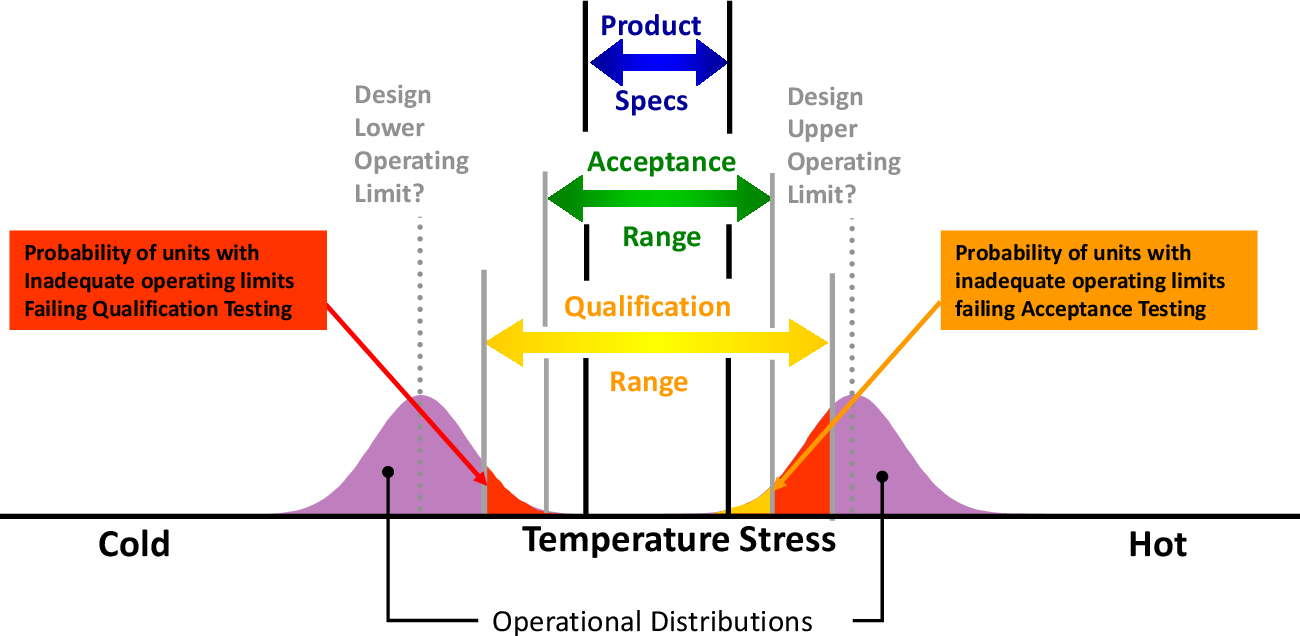
Temperature test is mainly to check the working performance of PCB boards at different temperatures to ensure its stability in various environments. This requires the use of temperature control equipment (such as a thermostat) and temperature sensors, PCB boards are placed in different temperature environments to test their performance changes. Temperature testing helps to assess the working performance of PCB boards in extreme environments such as high and low temperatures, providing a guarantee of product reliability.
6.Humidity test
Review the design carefully to ensure that it meets all the requirements of the project and that all components are connected correctly. You may also want to test the design by simulating or building a prototype.
7.Lifetime testing
Appearance inspection focuses on checking the appearance quality of the PCB board, such as size, shape, colour and surface smoothness. This is usually carried out by visual inspection or using an optical microscope. Appearance inspection helps to identify problems in the PCB manufacturing process and improve the appearance quality of the product.
8.Appearance Inspection
Appearance inspection focuses on checking the appearance quality of the PCB board, such as size, shape, colour and surface smoothness. This is usually carried out by visual inspection or using an optical microscope. Appearance inspection helps to identify problems in the PCB manufacturing process and improve the appearance quality of the product.
9.X-ray Inspection
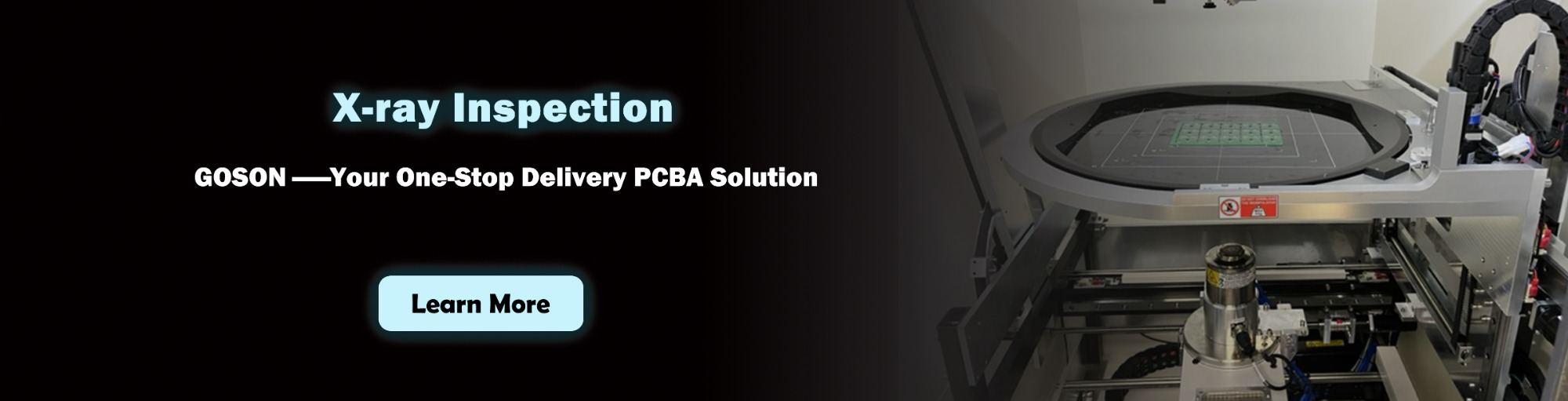
X-ray inspection is mainly to check the internal structure of the PCB board and the quality of the soldering, such as solder joints, over holes, inner layer connections, etc.. This requires the use of X-ray inspection equipment, through the X-ray penetration of the PCB board, to obtain an image of its internal structure. x-ray inspection helps to identify potential problems in the design and manufacturing process of the PCB, and improve product reliability.
10.FAI (First Article Inspection)
FAI testing is mainly carried out on products that are being produced for the first time to ensure that the product is designed and manufactured to meet the requirements. This usually includes dimensional measurements, functional testing, electrical testing, etc. FAI testing helps to identify problems in the production process and improve product quality and reliability.
In short,GOSON through PCB test and analysis, potential problems can be found and timely measures can be taken to solve them, so as to reduce product development and production costs and improve market competitiveness.
GOSON offers a full range of solutions for your circuit board production needs, including one-stop BOM matching services, electronic component sourcing and testing, manufacturing, testing/inspection and assembly.